- All
- Product Name
- Product Keyword
- Product Model
- Product Summary
- Product Description
- Multi Field Search
Views: 0 Author: Site Editor Publish Time: 2025-11-07 Origin: Site


Choosing the right garbage bag size is more important than you might think. Selecting the wrong size can cause spills, waste, and unnecessary hassle. Whether at home, the office, or in industrial settings, the right garbage bag can make a big difference.
In this article, we will discuss the various garbage bag sizes available and how to select the best one for different needs. By the end, you'll know exactly how to pick the right garbage bag, helping you save time, money, and the environment.
Choosing the right garbage bag size ensures that your trash fits properly into the bin without overfilling or spilling out. Overly large bags often result in waste accumulating outside the bag, while bags that are too small fail to contain all the trash, creating messes and leaks. Properly fitting bags reduce the frequency of bag replacements and make waste disposal much more efficient.
Waste management doesn’t just impact your home or office—it has a broader environmental effect. By selecting the right garbage bag size, you avoid unnecessary waste, which helps minimize plastic use. This not only reduces the amount of plastic in landfills but also contributes to a more sustainable lifestyle. Using appropriately sized bags can cut down on the number of bags you need, reducing plastic consumption overall.
Using a garbage bag that fits your trash can properly can save you money and time. A properly sized bag reduces the need for frequent replacements, minimizes the chance of tearing, and helps avoid the mess of bag overflows. A better fit also ensures that your bins last longer without suffering from the stress of overstuffed or improperly sized bags.
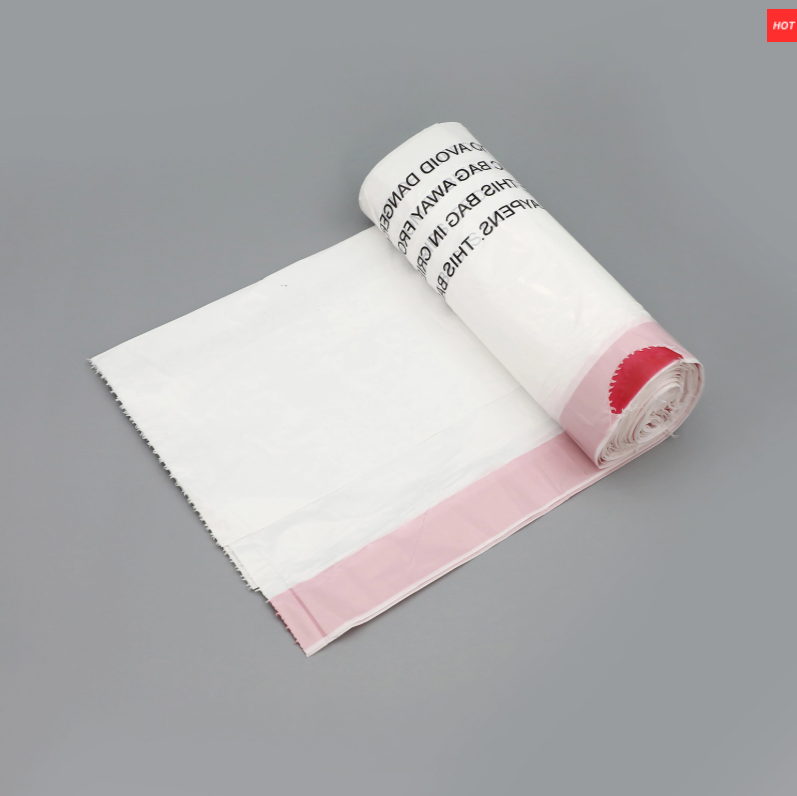
Use: Ideal for small bins such as bathroom, office, or car trash cans.
Applications: Paper towels, small waste items, food scraps.
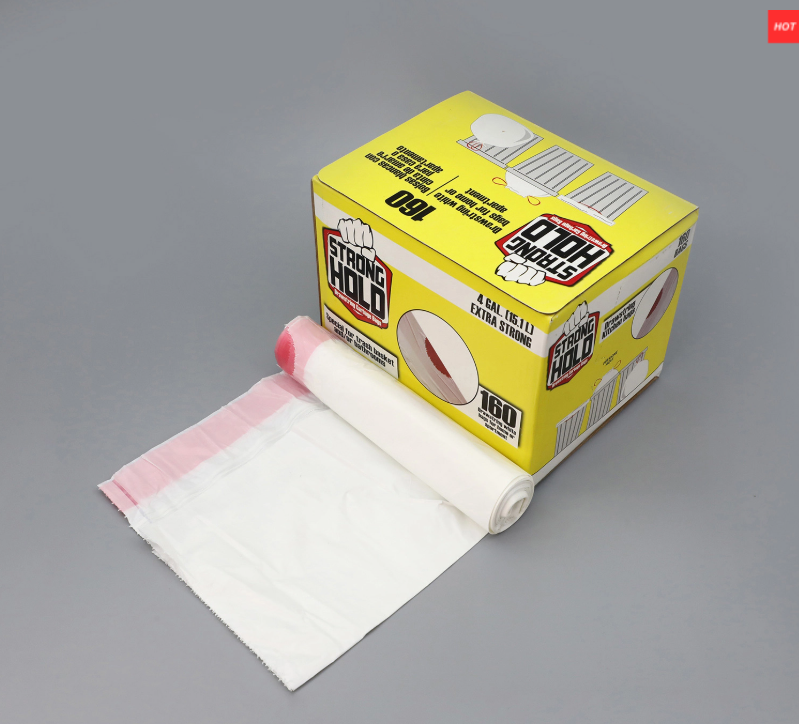
Small garbage bags are perfect for lightweight trash that doesn’t require much room. Their compact size makes them ideal for smaller trash cans typically found in bathrooms, cars, or desks. Opting for the right-sized small bag prevents overfilling and ensures that the bags don’t tear under pressure.
Use: Standard for most kitchen trash cans.
Applications: Household kitchen waste, general office waste.
Medium bags, usually used in kitchen bins, are great for general waste management. These bags are large enough to handle everyday kitchen trash, including food scraps, packaging, and small broken items. A 13-gallon bag is particularly popular for residential use.
Use: For larger kitchen bins, office spaces, or outdoor trash bins.
Applications: Yard waste, heavy-duty cleaning.
Large garbage bags offer greater capacity for larger quantities of waste. These bags are commonly used in kitchens with larger waste volumes or in office spaces that generate considerable trash. Outdoor use, especially for yard work, also benefits from these larger bags, as they are able to hold branches, leaves, and other bulky items.
Use: For industrial or high-volume waste management needs.
Applications: Construction sites, event cleanup, large commercial facilities.
Extra-large bags are designed to handle significant volumes of trash, often found in industrial settings or during large-scale cleanups. These bags are durable and can withstand the weight of construction debris, large waste volumes, and other heavy-duty tasks. They are used in places like factories, event venues, and waste management operations.
When selecting a garbage bag, understanding the dimensions and volume of your bin is key. Some bins, like large rectangular or round containers, require more precise measurements than others. The height, width, and circumference of your trash can should be considered when choosing the right bag.
Round Bins: Measure the diameter and height. A general rule of thumb is to use the formula for bag width (Diameter × π) and add about 10 inches to the height for proper overhang.
Rectangular Bins: Measure the perimeter (width + length) and add about 10 inches to the height.
Garbage bag size is often measured by volume (gallons), but dimensions like height and width play a crucial role in ensuring the bag fits the bin perfectly. Volume refers to how much trash a bag can hold, while dimensions help with fitting the bag inside the bin without excess or tightness.
| Volume (Gallons) | Important for determining how much waste the bag can hold. |
| Dimensions (Height & Width) | Essential for ensuring the bag fits into the bin comfortably and securely. |
Example: For a 15-inch diameter round bin that is 24 inches high, the required bag dimensions would be approximately 47 inches wide (15 × 3.14) and 34 inches tall (24 + 10).
Size: 13-15 gallons
Special Features: Odor control, leak resistance, thicker material for wet waste
Kitchen trash bags need to be strong and durable to handle food scraps and wet waste. A 13-gallon bag is typically the best size, as it fits most standard kitchen trash bins. Features like odor control and leak resistance are beneficial for dealing with organic waste and minimizing unpleasant smells.
Size: 30-50 gallons
Special Features: Heavy-duty, puncture-resistant, larger openings
Yard work generates bulky and heavy debris like leaves, branches, and grass clippings. Heavy-duty bags in the 30-50 gallon range are ideal for these tasks. These bags are made of durable materials to prevent tearing and can accommodate larger, sharper objects that often accompany yard waste.
Size: 55+ gallons
Special Features: Tear-resistant, durable for sharp debris, large capacity
For construction sites, industrial operations, or large-scale events, jumbo garbage bags (55+ gallons) are needed. These extra-large bags are tough enough to hold construction debris such as nails, wood, and drywall. The thicker material ensures they won’t tear under heavy loads, making them essential for industrial waste disposal.
Odor control bags are specifically designed to neutralize unpleasant smells, making them ideal for kitchen and food waste. These bags often include special additives, such as carbon or fragrances, that help mask or neutralize odors. If you frequently deal with food scraps or organic waste, odor-control bags are a must-have.
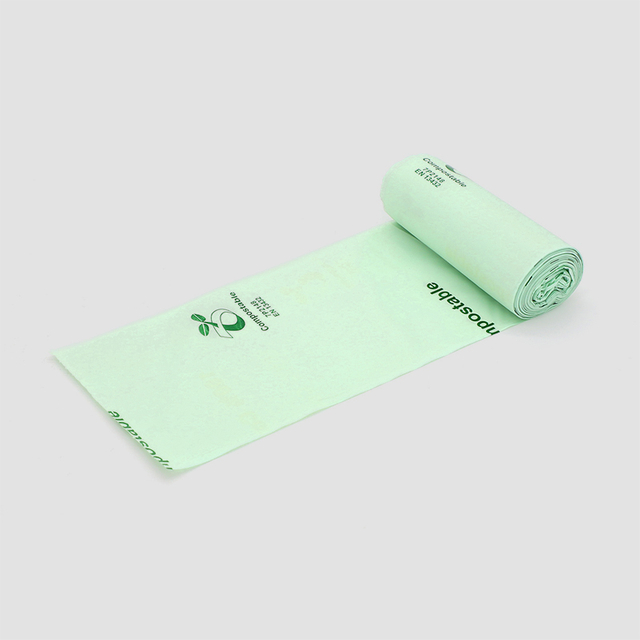
Eco-friendly garbage bags are a great choice for environmentally conscious households or businesses. Biodegradable and compostable bags break down faster than standard plastic bags, reducing their impact on the environment. Additionally, some bags are made from recycled materials, further supporting sustainability efforts.
For heavy-duty tasks, selecting garbage bags made from thicker materials (1-3 mils) is essential. These bags are resistant to tearing and punctures, which is crucial for construction, yard, and industrial waste. Stronger bags ensure that the waste is securely contained and prevent messy leaks or spills.
For most homes, the 13-15 gallon garbage bag is ideal, fitting comfortably in kitchen bins and handling typical household waste. If you have a larger family or produce significant yard waste, consider upgrading to a 30-gallon bag for outdoor use.
In office spaces, medium bags (10-13 gallons) are perfect for managing paper, office waste, and light trash. Larger commercial settings may require 30-55 gallon bags to handle the increased waste volume. Select bags with durable materials to withstand the higher volume and frequent use.
Heavy-duty 30-60 gallon bags are best suited for outdoor and industrial applications. These bags can handle large-scale debris like leaves, branches, and construction waste. Look for features like puncture resistance and high-strength materials for industrial tasks.
Choosing the right garbage bag goes beyond convenience; it's essential for effective waste management, sustainability, and cost-efficiency. By understanding your bin size, waste type, and special bag features, you can make more informed choices for your home or business. Always measure your bins before purchasing and consider eco-friendly options to minimize your environmental impact.
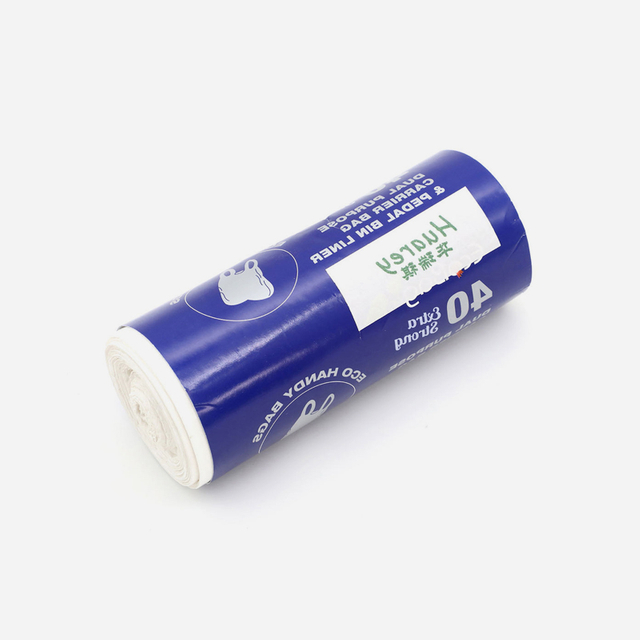
For large-scale tasks or sharp debris, opt for heavy-duty bags that offer durability and strength. Companies like Huarey offer customized tear-resistant drawstring trash bags, perfect for various needs. Their high-quality products ensure secure and hassle-free waste management, providing lasting value and efficiency.
A: A garbage bag is a disposable container used for holding waste, usually made of plastic. It comes in various sizes to fit different bins.
A: Measure the dimensions of your trash can and match it to the appropriate volume (gallons) of garbage bag to ensure a proper fit.
A: Different sizes cater to various types of waste, from small bathroom bins to large industrial containers, ensuring efficient waste disposal.
A: Common sizes include 4-9 gallons for small bins, 10-13 gallons for kitchen bins, and 30-60 gallons for larger industrial uses.