- All
- Product Name
- Product Keyword
- Product Model
- Product Summary
- Product Description
- Multi Field Search
Views: 0 Author: Site Editor Publish Time: 2026-02-25 Origin: Site


Garbage bags are a simple yet essential part of modern waste management, providing a hygienic and convenient way to collect, store, and dispose of household and commercial waste. Before their invention, waste management was much less efficient, with people using open containers, bins, or simply dumping trash in piles. This led to unsanitary conditions, unpleasant odors, and increased risk of contamination. There was a clear need for a better solution—one that could contain waste securely, reduce exposure to bacteria and pests, and make disposal easier and cleaner. The invention of garbage bags revolutionized waste handling, offering a practical, cost-effective solution to a growing problem.
In the pre-garbage bag era, waste disposal was a messy and inefficient process. People typically relied on open containers, bins, or even simply piles of trash in designated dumping areas. These early methods provided no protection from the elements, making trash vulnerable to rain, wind, and animals, all of which contributed to spreading waste further. The lack of proper containment meant that waste management was not only unsanitary but also a significant environmental concern, as garbage often ended up scattered across the streets or in public spaces.
Containers and Bins: Early waste containers, made from materials such as wood, metal, and wicker, were commonly used to store garbage. While these containers helped in keeping trash in one place, they were not sealed or durable enough to prevent odors or pests from getting in. As a result, animals like rats, dogs, and raccoons would often invade these containers, scattering trash around and creating even more mess.
Dumping Sites: In many cities, waste was disposed of in open dumping sites on the outskirts of urban areas. These areas, lacking proper waste management systems, would quickly overflow with garbage. The trash would often be left to rot without any method of processing or recycling, creating unsanitary conditions and contributing to pollution. Without controls in place, these dumping sites became breeding grounds for bacteria and vermin.
The absence of a convenient, hygienic solution to waste disposal led to several major challenges:
Health Risks: Open waste, especially organic material, attracted pests and became a breeding ground for harmful bacteria and diseases. People were regularly exposed to these risks, which resulted in public health concerns.
Environmental Impact: Improper waste disposal in dumping sites or along streets contributed to environmental pollution. Trash would not only spoil the aesthetic appeal of cities but also lead to contamination of soil and water sources, creating long-term ecological damage.
Public Nuisance: Overflowing bins and visible piles of garbage made urban environments unpleasant to live in. The stench, litter, and unsightliness created an overall negative impact on communities, highlighting the urgent need for a more efficient waste management system.

Garbage bags were invented in 1950 by Harry Wasylyk and Larry Hansen, two Canadian inventors who sought a better solution to the growing waste disposal problem. Before the invention of the garbage bag, waste was stored in open containers or bins that were often inadequate, leading to messes and health risks. Wasylyk and Hansen, recognizing the need for a cleaner, more efficient way to manage waste, developed the first plastic garbage bag using low-density polyethylene (LDPE). This material was strong, flexible, and waterproof, providing a reliable way to contain waste and keep it from spilling or attracting pests. Their invention laid the foundation for the modern garbage bag, which has become an essential part of waste management worldwide.
The invention of the garbage bag stemmed from the need for a more efficient, hygienic method of waste disposal. Before their invention, waste was often poorly contained, and trash bins were left open or loosely tied, making it easy for animals to scatter waste, especially in urban environments. People faced the challenge of unsightly, unsanitary piles of trash, and there were frequent public health concerns due to the exposure to bacteria, rodents, and other pests. The garbage bag offered a simple yet revolutionary solution: a disposable container that could be sealed tightly, preventing odors, reducing exposure to contaminants, and making waste disposal cleaner and more convenient.
Initially, the first plastic garbage bags were simple, flexible sheets of polyethylene that could be filled with waste and tied shut. Over time, however, the design of garbage bags evolved to become more durable and functional. The early bags were relatively thin and could tear easily, but advancements in manufacturing techniques led to stronger, more tear-resistant versions. Manufacturers introduced thicker bags with reinforced seams to prevent leakage and provide additional strength. Later, specialized bags were developed to cater to specific needs, such as biodegradable bags, odor-resistant bags, and bags for heavy-duty industrial use. These improvements helped the garbage bag become the essential tool for waste management that it is today, providing a cleaner, more efficient, and eco-friendly way to handle trash.
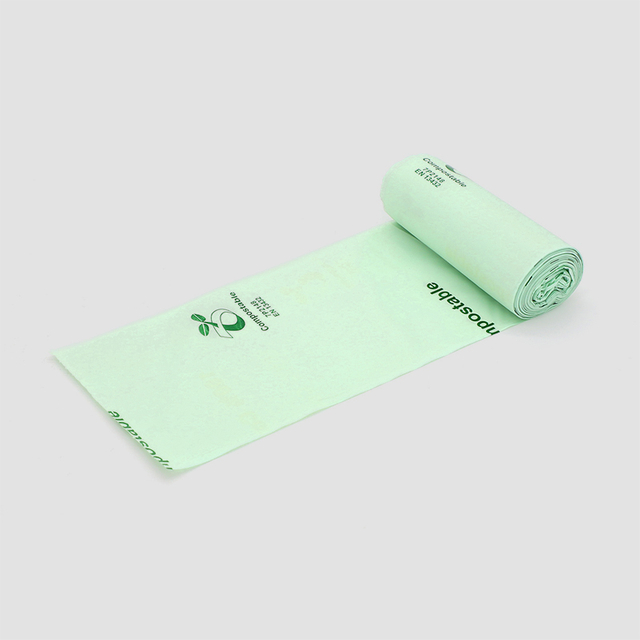
As environmental concerns grew, biodegradable and eco-friendly garbage bags were developed to reduce the environmental impact of traditional plastic. Made from plant-based materials like cornstarch or recycled plastics, these bags decompose more quickly than conventional plastic bags. While not perfect, they offer a more sustainable option for waste management, helping reduce pollution in landfills and oceans.
Over time, garbage bags have evolved with improvements in design, strength, and durability. Early bags were thin and prone to tearing, but advancements introduced stronger materials, reinforced seams, and multi-layer construction for increased durability. Innovations in stretchability and odor control additives have made modern bags more reliable, able to hold bulkier waste without breaking and neutralizing unpleasant smells.
Today’s garbage bags are designed to meet specific waste disposal needs, such as:
Composting Bags: Made from biodegradable materials for holding organic waste like food scraps.
Recycling Bags: Clear plastic bags designed to hold recyclables and encourage proper sorting.
Heavy-Duty Industrial Bags: Extra-thick bags designed for tough waste, such as construction debris or medical waste.
Odor-Resistant and Scented Bags: Bags with built-in odor control for household use, especially in kitchens or bathrooms.
Garbage bags have become an essential part of waste management worldwide, used universally in households, businesses, and industries. In homes, they provide a convenient way to dispose of daily waste, while businesses rely on them to manage trash efficiently in offices, retail spaces, and restaurants. Industries use specialized bags to handle heavy-duty waste, including medical, industrial, and hazardous materials. The global use of garbage bags has made them an integral component of everyday life, ensuring waste is collected and contained safely and efficiently.
Garbage bags play a crucial role in maintaining hygiene and reducing contamination. By securely containing waste, they prevent garbage from spilling, attracting pests, and creating odors, all of which can lead to unsanitary conditions. They also act as a barrier between waste and the environment, reducing the risk of contamination to surfaces, floors, and air. In settings like hospitals, laboratories, and food processing plants, garbage bags are essential for containing biohazardous or contaminated waste, preventing the spread of harmful bacteria and viruses. Overall, garbage bags help keep environments clean, safe, and free from potential health hazards.
The first garbage bag was invented in 1950 by Harry Wasylyk and Larry Hansen, who aimed to create a better solution for waste disposal.
The first garbage bags were made from low-density polyethylene, a type of plastic that offered durability and flexibility for waste containment.
Garbage bags revolutionized waste management by making it easier, cleaner, and more hygienic to store and dispose of waste, reducing mess and contamination.
While garbage bags made waste disposal more efficient, they also led to environmental challenges due to plastic waste. Today, biodegradable options are being developed to reduce environmental harm.
In conclusion, garbage bags have had a transformative impact on waste management since their invention in 1950 by Harry Wasylyk and Larry Hansen. They have revolutionized the way waste is collected, contained, and disposed of, providing a cleaner, more hygienic solution for both households and industries worldwide. Over the years, advancements in materials and designs—such as biodegradable options, odor control features, and specialized bags for various needs—have further enhanced their functionality. As environmental concerns continue to grow, the ongoing innovation in garbage bag technology reflects the industry’s commitment to creating more sustainable and eco-friendly solutions, ensuring that garbage bags remain essential tools in maintaining cleanliness and hygiene in modern society.