- All
- Product Name
- Product Keyword
- Product Model
- Product Summary
- Product Description
- Multi Field Search
Views: 0 Author: Site Editor Publish Time: 2025-11-12 Origin: Site


Garbage bags are essential in keeping our spaces clean and organized. But not all garbage bags serve the same purpose. With so many types available, choosing the right one for your needs can make a big difference.
In this article, we'll explore the various types of garbage bags, from everyday household waste bags to heavy-duty industrial options. You'll learn how to select the right bag based on your waste type, environment, and environmental goals.
Garbage bags are made from various materials, each designed to meet specific needs. The material used in the construction of the garbage bag plays a significant role in its strength, durability, and the types of waste it can hold.
| Low-Density Polyethylene (LDPE) | These bags are thicker and more durable, making them suitable for carrying heavier, sharper objects. They are puncture-resistant and ideal for rough waste like construction debris, medical waste, and yard waste. |
| High-Density Polyethylene (HDPE) | HDPE bags are thinner but stronger in terms of weight capacity. They are often used for dry, light trash like paper, plastic bottles, and general office waste. |
| Biodegradable Plastics | These bags break down faster than traditional plastics, making them an environmentally friendly choice for waste disposal. While not as strong as HDPE or LDPE, they are ideal for organic waste that decomposes naturally. |
Each type of garbage bag is designed with a specific use case in mind. Understanding the various applications can help you choose the right bag for your needs.
| Household Use | Standard garbage bags are designed for everyday waste like kitchen scraps, packaging, and paper. |
| Industrial Use | Heavy-duty bags are made to withstand the strain of construction debris, sharp objects, and other tough materials. They offer extra strength and puncture resistance. |
| Medical and Hazardous Waste | These bags require special materials that prevent leakage and contamination. Medical waste bags are usually thicker and puncture-resistant to handle sharps, needles, and other hazardous items. |
In recent years, there has been a growing demand for more eco-friendly alternatives. Compostable and biodegradable bags are gaining popularity as environmentally conscious options, offering a solution to reducing plastic waste. These bags are often made from plant-based materials like corn starch or polylactic acid (PLA), breaking down in composting environments, thus reducing the long-term environmental impact of waste.
Tip: When considering environmental impact, it’s essential to remember that compostable and biodegradable bags require specific conditions to break down efficiently. For home or industrial use, always check if your local waste management system can handle such bags.

Material: HDPE or LDPE
Use: General household waste
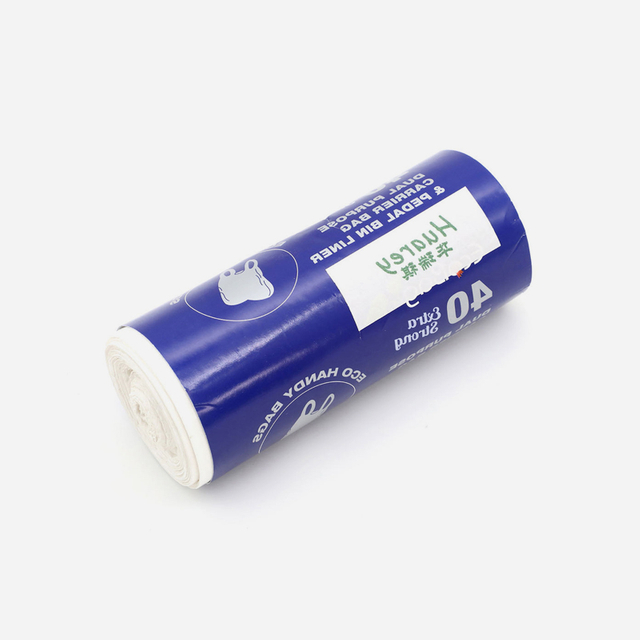
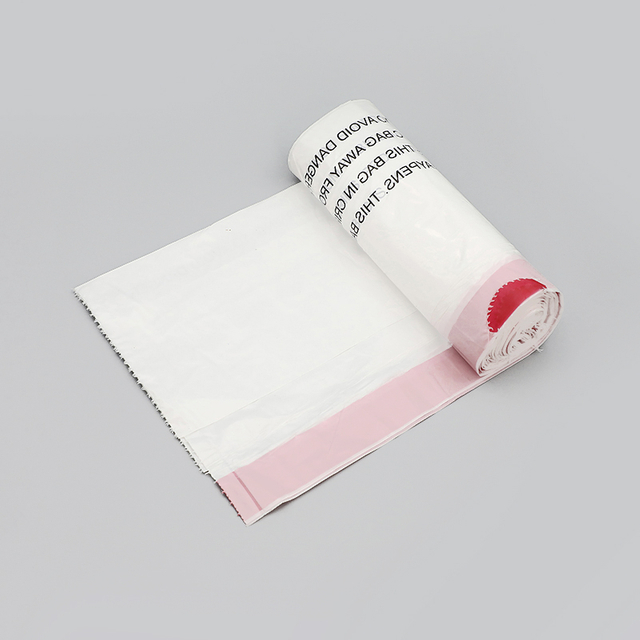
These are the most commonly used garbage bags, perfect for everyday waste collection in homes, offices, or small businesses. They are versatile, easy to use, and suitable for light, dry waste. Available in various sizes, these bags are typically affordable and come in a variety of colors to help with waste sorting.
Material: Thick HDPE
Use: Construction debris, industrial waste
When it comes to handling bulky or sharp objects like metal, glass, or heavy-duty debris, heavy-duty bags are the way to go. These bags are made with thicker HDPE material, designed to hold large volumes of waste without tearing or puncturing. They are commonly used on construction sites, in landscaping, or for industrial waste disposal.
Material: Biodegradable plastics
Use: Organic waste disposal
Degradable bags are designed to break down more quickly than traditional plastic bags. While they still contain plastic, they include additives that promote faster decomposition. These bags are often used in environments where organic waste like food scraps or yard clippings are collected and processed.
Material: Cornstarch, PLA
Use: Food scraps, yard waste
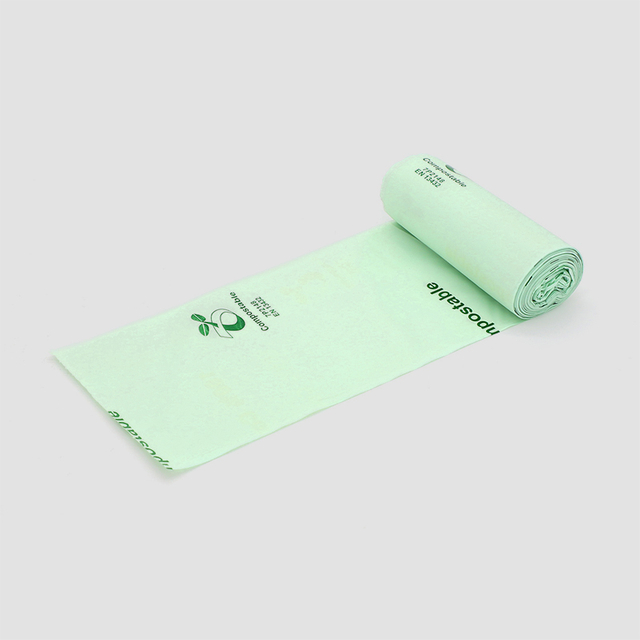
Compostable bags are made from plant-based materials that break down in a composting environment. They are ideal for organic waste and are often used in kitchens and gardens. Unlike degradable bags, compostable bags are designed to break down entirely in composting facilities, reducing their environmental impact.
Material: Puncture-resistant polyethylene
Use: Medical waste in hospitals, clinics
Medical waste bags are designed to safely contain biohazardous materials such as needles, used bandages, and other medical supplies. These bags are typically puncture-resistant to prevent accidents and contamination. They are marked with specific warning symbols to alert handlers to the hazardous contents.
Material: Chemical-resistant materials
Use: Disposal of hazardous materials like batteries, chemicals
Hazardous waste bags are crucial for safely disposing of toxic materials such as chemicals, electronic waste, and batteries. They are made from durable, chemical-resistant materials that prevent leaks and protect waste handlers. These bags are often labeled clearly to indicate the dangerous nature of the contents.
Material: Small, degradable plastic bags
Use: Collecting pet feces
Pet waste bags are typically smaller in size and made from biodegradable plastic to make them environmentally friendly. These bags are convenient for dog owners and are often used for outdoor waste collection. They are available in compact sizes, easy to carry, and are suitable for collecting waste during walks.
When selecting a garbage bag, consider the type of waste you will be handling. For heavy or sharp items, a thicker, puncture-resistant bag is necessary to avoid leaks and tears. For lighter waste, a thinner bag may suffice. Always choose a bag that aligns with the weight and texture of your trash to prevent breakage during use.
The seal of a garbage bag is just as important as its material. There are several types of seals, each with its advantages.
| Star Seal | Ideal for weight distribution and preventing leaks. It conforms to the bin’s shape, making it a good choice for heavier or liquid waste. |
| Gusset Seal | Offers extra strength in the corners, but may not be as leak-proof as the star seal |
| Flat Seal | Simple design with a two-dimensional seal, typically used for lightweight waste. |
If you frequently dispose of liquid waste or heavy trash, consider using star-sealed bags for optimal performance and durability.
Choosing the right size garbage bag is crucial for efficiency. A bag that is too small will overflow, while a bag that is too large may waste plastic. Measure the dimensions of your trash bin and match it with the bag size. Most manufacturers provide size guides to help ensure a perfect fit.

Both compostable and biodegradable bags offer environmentally friendly alternatives to traditional plastic bags. However, they are not the same:
| Compostable Bags | These bags break down in composting environments, leaving no toxic residue behind. |
| Biodegradable Bags | These bags break down over time, but the process is slower and may leave behind microplastics if not disposed of properly. |
Choose compostable bags if you have access to composting facilities. If not, biodegradable bags can still offer a more eco-friendly option compared to regular plastic.
Recycling bags are clear or color-coded bags designed for sorting recyclables like paper, glass, and plastics. Using these bags helps ensure proper recycling and reduces contamination in the recycling stream.
The shift toward biodegradable and compostable bags is growing. Innovations in material technology are making these bags stronger, more affordable, and more accessible. As consumer demand for eco-friendly products rises, manufacturers are working to meet the need for more sustainable waste management options.
Choosing the right garbage bag is crucial for efficient waste management and sustainability. Whether you need bags for household waste, medical waste, or compostable materials, selecting the appropriate type ensures a cleaner environment. Huarey offers a range of products tailored to different needs, providing durable and eco-friendly solutions for all types of waste disposal. Evaluate your waste management needs today and find the perfect garbage bag to suit your space, whether for home, office, or industrial use.
A: Garbage bags are typically made from polyethylene (HDPE or LDPE). These materials are durable, flexible, and suitable for different types of waste.
A: Choose a garbage bag based on the type of waste, its weight, and the environment. For heavy-duty waste, use a thicker bag, while lighter, dry waste can use thinner bags.
A: Yes, compostable and biodegradable garbage bags are available. These bags break down more easily than traditional plastic bags and are ideal for organic waste.
A: High-density garbage bags are not ideal for wet waste, as they may tear easily. For wet or sharp items, low-density bags are a better option.
A: Biodegradable bags break down faster than regular plastic but may still leave microplastics behind. Compostable bags break down completely in composting environments without leaving harmful residue.