- All
- Product Name
- Product Keyword
- Product Model
- Product Summary
- Product Description
- Multi Field Search
Views: 0 Author: Site Editor Publish Time: 2025-11-10 Origin: Site


Ever wondered if you can recycle garbage bags? It’s a question many people ask, especially when they’re trying to do their part for the environment. However, the answer isn’t as simple as it may seem.
While most of us know that we can recycle things like cans, bottles, and paper, trash bags often slip through the cracks. Plastic bags seem like they belong in the recycling bin, but the reality is far more complicated. In this post, we’ll take a deep dive into why garbage bags don’t belong in your recycling bin, what alternatives are available, and how you can make more eco-friendly choices.
When we toss a garbage bag into the recycling bin, it might seem harmless. Unfortunately, recycling facilities aren’t equipped to handle them. Recycling centers use machines to sort recyclables, but plastic bags get tangled in the machinery, causing jams and delays. These interruptions lead to costly repairs, and sometimes, entire batches of recyclables are ruined because plastic bags mix in with them.
Always empty recyclables directly into the bin. If you must use a bag, make sure it's a recyclable one and check local guidelines.
Garbage bags can also cause contamination. When you throw recyclables into a non-recyclable bag, the items inside become difficult to process. For example, food residue or wet items trapped in the bags can spoil the whole batch. This leads to a higher chance that your well-intentioned recycling efforts might end up in a landfill.
Yes, it is. The contamination from garbage bags doesn’t just impact the efficiency of recycling plants; it also has an environmental toll. With the increase in plastic pollution, any additional plastic waste that isn't processed properly adds to the growing crisis of waste management.
If you are uncertain, always check with your local recycling program about whether they accept certain materials like bags or if there are specific rules to follow.

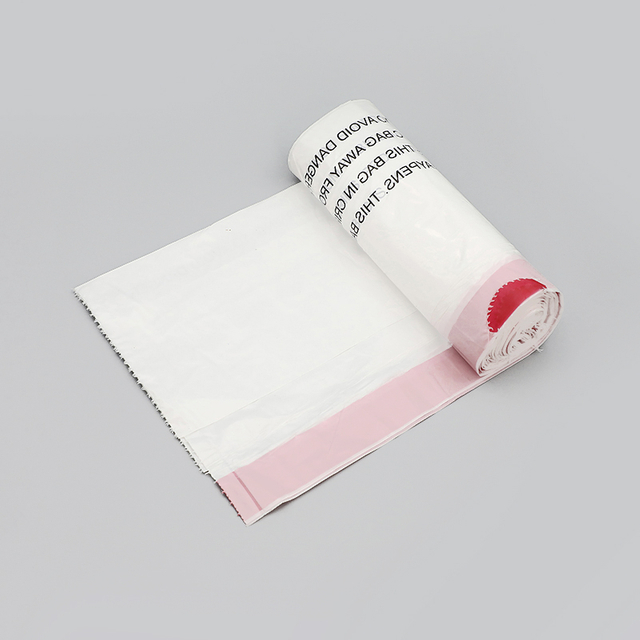
Plastic garbage bags, typically made from low-density polyethylene (LDPE) or high-density polyethylene (HDPE), are often recyclable. However, these materials can’t be recycled through regular curbside programs due to their tendency to clog machines. While they are technically recyclable, they need to be taken to specific drop-off locations.
Check the number inside the recycling symbol on your plastic bag. Bags labeled #2 or #4 are typically accepted at most recycling centers.
One alternative for recycling plastic bags is taking them to designated plastic film recycling drop-off centers. Many grocery stores and retail locations have bins for collecting plastic bags, wraps, and other film plastics. This allows the material to be properly recycled without contaminating other waste.
Compostable and biodegradable bags are not typically recyclable in the traditional sense. These bags are designed to break down in specific conditions, like composting, and they don’t have the same plastic structure as regular garbage bags. While they are better for the environment, they should not be placed in standard recycling bins.
Tip: If you’re using compostable bags, check your local composting program to ensure they accept them.
Not all recycling programs are the same. Some municipalities have specialized systems that can handle plastic bags, but these are the exception rather than the rule. Some areas even offer curbside collection for plastic bags, provided they are tied together in one larger bag. It's important to check your local recycling rules to ensure you are disposing of your garbage bags correctly.
Reach out to your local recycling program to clarify the rules regarding plastic bag disposal. Each city may have unique regulations.
As awareness of plastic bag pollution grows, some areas have adapted their programs to include plastic bags. Innovations like curbside plastic bag collection and dedicated drop-off locations make recycling more accessible. It’s a step in the right direction, but widespread solutions are still in development.
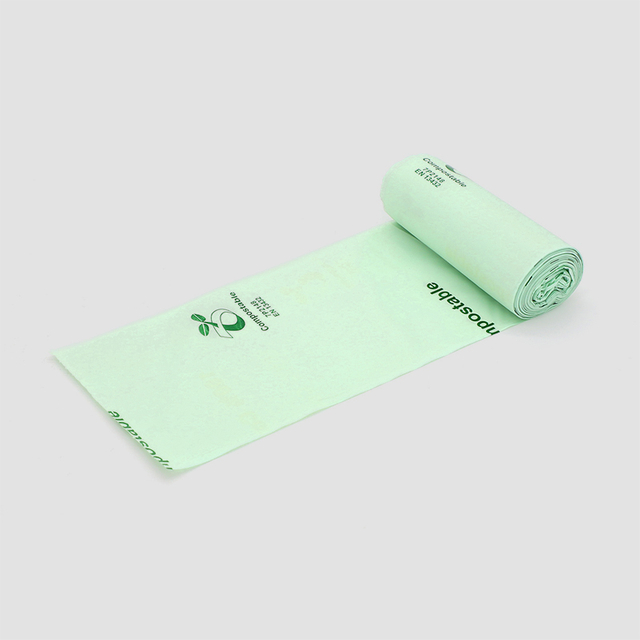
One growing alternative to traditional plastic garbage bags is compostable trash bags. Made from renewable materials like cornstarch, these bags break down faster than their plastic counterparts and can be composted, reducing the overall environmental impact. They are perfect for those who want to lessen their plastic footprint.
Tip: Make sure to check the labeling of compostable bags to ensure they meet composting standards.
Another sustainable option is using reusable trash bin liners. These washable liners eliminate the need for disposable garbage bags, which reduces plastic waste in the long run. They can be easily cleaned and reused multiple times, making them a great eco-friendly choice.
While both biodegradable and compostable bags break down naturally, the key difference is how they do it. Biodegradable bags degrade into smaller pieces over time, but they may still leave harmful residues. Compostable bags, on the other hand, break down entirely into nutrient-rich compost when placed in appropriate conditions.
When shopping for eco-friendly bags, consider compostable options over biodegradable ones for a more sustainable choice.

If you have non-recyclable plastic garbage bags, it's essential to dispose of them responsibly. Follow these steps:
Empty the contents: Ensure the bag is free of recyclable or compostable materials.
Tie the bag securely: To prevent litter, tie the bag properly before placing it in the trash.
Check for special drop-off locations: Some facilities may accept certain types of plastic bags for recycling.
Never leave plastic bags in public spaces. Always ensure they are properly disposed of to prevent littering.
Reducing your reliance on plastic bags can have a significant impact on your environmental footprint. Here are some simple ways to cut back:
Use reusable bags: Carry reusable bags for groceries, shopping, and other everyday needs.
Opt for compostable or biodegradable bags: Choose eco-friendly options when plastic bags are necessary.
Set up a home recycling system: Separate recyclables at home to reduce contamination.
Invest in a set of reusable produce bags for shopping to eliminate the need for disposable plastic bags.
| Topic | Key Information |
|---|---|
| Can Garbage Bags Be Recycled? | Garbage bags are not accepted in curbside recycling due to their material. |
| Why Can't Garbage Bags Be Recycled? | Plastic bags disrupt recycling machinery and cause contamination of other materials. |
| Proper Disposal of Garbage Bags | Use designated plastic film drop-off centers or opt for sustainable alternatives like compostable bags. |
| Alternatives to Plastic Garbage Bags | Compostable bags and reusable liners are eco-friendly options that reduce plastic waste. |
While traditional plastic garbage bags are not widely recyclable through curbside programs, there are still ways to dispose of them responsibly. By utilizing drop-off centers or opting for alternatives like compostable bags or reusable liners, we can reduce our environmental impact. It may take extra effort, but every action counts in the fight against plastic pollution.
Call to Action: Check your local recycling program for guidelines on plastic bag disposal and consider switching to more sustainable options like compostable bags or reusable liners today!
Businesses, like Huarey, offer eco-friendly packaging solutions, providing products like T-shirt style garbage bags that offer convenience and sustainability. By adopting these alternatives, companies can contribute to a cleaner, greener world.
A: No, garbage bags are typically not recyclable through curbside programs. They can clog machinery at recycling centers, causing contamination.
A: Garbage bags are made from materials that disrupt recycling machinery, leading to inefficiencies and contamination of other recyclables.
A: Use designated plastic film recycling drop-off centers or switch to alternatives like compostable bags or reusable liners to reduce plastic waste.
A: Yes, compostable bags or reusable trash liners are eco-friendly alternatives to traditional plastic garbage bags.