- All
- Product Name
- Product Keyword
- Product Model
- Product Summary
- Product Description
- Multi Field Search
Views: 0 Author: Site Editor Publish Time: 2026-03-03 Origin: Site


Frost can pose a significant threat to plants, especially in colder climates or during unexpected drops in temperature. When temperatures fall below freezing, the water in plant cells freezes, causing damage to the cells and tissues, which can lead to wilting, browning, or even plant death. Many plants, particularly tender or young ones, are highly vulnerable to frost, making it essential to find effective ways to protect them. One simple and cost-effective solution is using garbage bags. While not typically associated with gardening, garbage bags can provide an insulating layer that traps heat and protects plants from the harsh effects of frost, making them a potential alternative for frost protection during cold nights.
When temperatures drop below freezing, frost forms on plants, causing water inside their cells to freeze. This freezing process leads to the expansion of water, which can rupture cell walls and cause permanent damage to the plant's structure. The result is cellular damage that prevents plants from functioning properly, disrupting nutrient and water flow. This damage often leads to symptoms like wilting, browning of leaves, and overall plant stress. In severe cases, frost can kill the plant entirely by freezing the tissues necessary for survival. Frost damage is especially harmful to tender plants, which are less resilient to cold temperatures.
Annuals: These plants complete their lifecycle in a single year and are particularly sensitive to frost. Examples include petunias, zinnias, and basil.
Young Plants and Seedlings: Tender young plants have not yet developed resistance to frost and are vulnerable to even light frosts.
Tropical Plants: Plants like banana trees and citrus are native to warmer climates and can be easily damaged by frost.
Vegetables: Many vegetables, such as tomatoes, peppers, and lettuce, are frost-sensitive and may suffer damage or death from frost.
Garbage bags offer a simple and cost-effective solution to protect plants from frost. They are widely available, inexpensive, and easy to use. Unlike specialized frost blankets or row covers, which can be costly, garbage bags provide an affordable way to shield your plants from freezing temperatures without requiring a significant investment. This makes garbage bags a great option for gardeners on a budget or those looking for a temporary solution during cold snaps.
Garbage bags can provide insulation by acting as a barrier that traps heat around the plant. When used correctly, the bag helps retain the warmth that radiates from the ground or surrounding air during the day, preventing it from escaping at night. The plastic material of the garbage bag forms a protective layer that helps to lock in warmth while shielding the plant from cold winds. The bags can also provide a protective cover that prevents frost from forming directly on the plant’s surface, reducing the risk of frost damage. However, it’s important to ensure that the bag is not tightly sealed, as some air circulation is needed to prevent overheating or suffocating the plant.
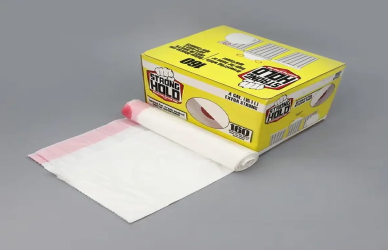
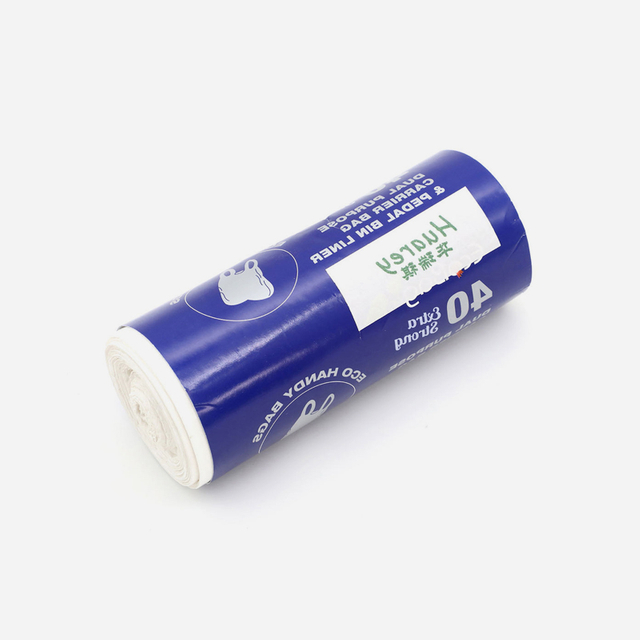
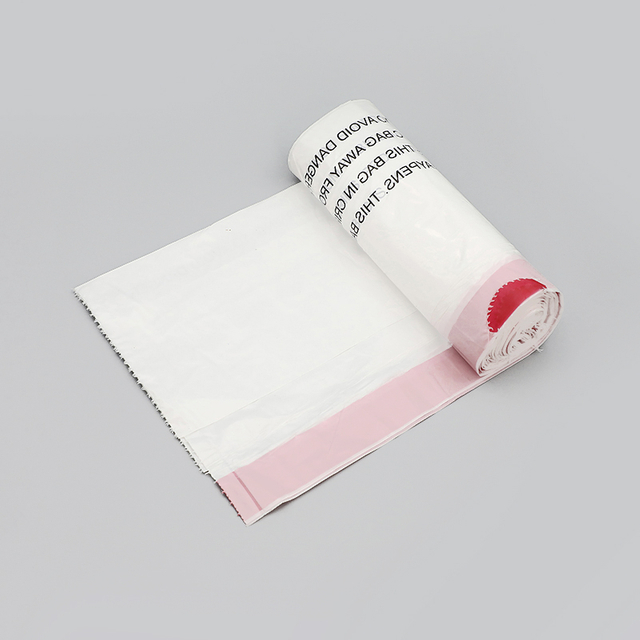
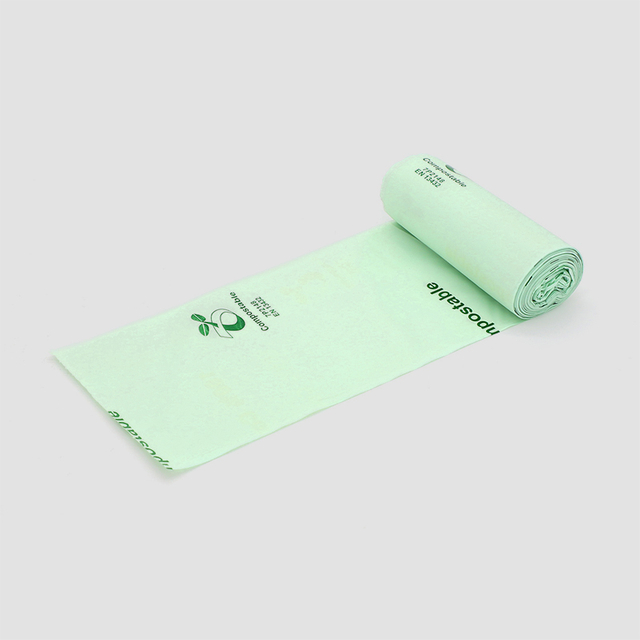
Step 1: Choose the Right Size Garbage Bag: Select a garbage bag large enough to cover your plant completely. For smaller plants, a 30-33 gallon bag may be sufficient, while larger plants or shrubs may require a 40-55 gallon bag.
Step 2: Prepare the Plant: If the plant is in a pot, move it closer to a protected area (like near a wall or under a tree). This adds extra warmth from the surrounding environment.
Step 3: Place the Bag Over the Plant: Gently place the garbage bag over the plant, ensuring that the entire plant, including the foliage, is covered. Be careful not to crush the plant's stems or leaves.
Step 4: Secure the Bag: Tie the top of the bag loosely around the base of the plant or pot using string or a twist tie. Ensure there is some room for air circulation so the plant doesn't suffocate. If needed, weigh down the edges of the bag with rocks or bricks to keep it in place.
Step 5: Remove the Bag During the Day: Once the frost danger has passed, remove the garbage bag during the day to allow sunlight and air to reach the plant. This prevents overheating and ensures the plant gets the warmth it needs during the day.
Ensure Proper Ventilation: Do not seal the bag completely. Leave a small gap or make tiny slits in the bag for airflow to prevent moisture buildup and overheating.
Use Multiple Layers for Extra Insulation: If you're expecting extremely cold temperatures, you can use multiple bags or place a cloth under the garbage bag to provide more insulation.
Protect the Base: Make sure the base of the plant or pot is also covered to prevent cold air from reaching the roots.
Monitor Weather Conditions: If temperatures are expected to stay cold for an extended period, check on the bag frequently to ensure it stays intact and the plant remains safe.
Cost-Effective: Garbage bags are inexpensive and readily available, making them a budget-friendly option for protecting plants from frost.
Easy to Use: They are simple to apply and remove, and can be found in various sizes to accommodate different plant sizes.
Provides Insulation: Garbage bags can effectively trap heat from the ground and surrounding air, protecting plants from freezing temperatures.
Quick Solution: For a sudden frost, garbage bags are a fast and efficient way to shield your plants overnight.
Limited Durability: Garbage bags may not be as long-lasting or reusable as other specialized frost protection materials, such as frost blankets.
Potential for Overheating: If left on too long or tightly sealed, the bags can cause the plant to overheat, especially when the temperature rises during the day.
Aesthetic Concerns: The use of garbage bags can be visually unappealing compared to more decorative frost covers or cloth options.
Frost Blankets: These are designed specifically for plant protection and often offer better insulation, breathability, and UV protection. They are typically more durable and reusable than garbage bags, making them a long-term investment, but they tend to be more expensive.
Row Covers: Used primarily for larger gardens, row covers are ideal for protecting rows of plants. They allow for better airflow and sunlight compared to garbage bags, making them a more sustainable option, especially for extended frost protection.
Garbage Bags vs. Other Methods: While garbage bags are an effective short-term solution, frost blankets and row covers provide superior protection, especially for prolonged cold spells. Garbage bags are more prone to overheating and can be difficult to remove during the day, whereas frost blankets and row covers are designed for easy use and better long-term care.
Mulch: A layer of mulch around plant bases helps retain heat and insulate roots, protecting them from frost. Use organic materials like straw or wood chips.
Cloth Covers: Lightweight cloth or sheets can shield plants from frost while allowing airflow. Avoid plastic, as it can trap moisture and overheat plants.
Bringing Potted Plants Indoors: For potted plants, move them indoors or to a sheltered spot like a garage or shed to protect them from freezing temperatures.
Check Weather Reports: Stay updated on frost warnings from weather apps or websites to anticipate freezing temperatures.
Know the Timing: Frost occurs at night when temperatures drop, so cover plants before nightfall and uncover them during the day when temperatures rise.
Use a Thermometer: Monitor the temperature around plants with a thermometer. Protect plants if temperatures drop below 32°F (0°C).
Yes, black garbage bags can help absorb heat from the sun during the day, providing additional warmth for plants at night.
Garbage bags should be removed during the day to allow sunlight and air circulation, especially if the temperature rises. They should only be used overnight or during frost conditions.
If the garbage bag is tightly sealed and no ventilation is provided, it may suffocate the plants. Always leave a gap or vent for air circulation.
Garbage bags are best for protecting hardy plants or those in containers. Delicate plants may require more specialized frost protection methods.
To wrap up, garbage bags provide a practical and affordable solution for protecting plants from frost, especially during sudden cold snaps. They effectively trap heat and shield plants from freezing temperatures, making them a viable option for short-term use. However, their limitations include the potential for overheating and a lack of visual appeal. For more consistent and long-term frost protection, frost blankets or row covers may be more effective. Ultimately, the best frost protection method depends on the type of plants, the severity of the frost, and available resources, ensuring plants are kept safe during colder months.