- All
- Product Name
- Product Keyword
- Product Model
- Product Summary
- Product Description
- Multi Field Search
Views: 0 Author: Site Editor Publish Time: 2025-12-30 Origin: Site


Plastic mesh produce bags are commonly used to carry fresh fruits and vegetables from the market to our homes. However, with increasing concerns about plastic waste, the recyclability of these bags has become a pressing issue.
In this article, we will discuss whether plastic mesh produce bags are recyclable, explore sustainable alternatives, and share actionable steps to reduce plastic waste in our daily lives.
Plastic mesh bags are made from various types of plastic, which play a key role in determining their recyclability and environmental impact.
Nylon and Polypropylene: Most mesh produce bags are made from nylon or polypropylene (#5 plastic). These materials are lightweight, durable, and often used for various types of packaging.
Low-Density Polyethylene (LDPE): Some bags may also use LDPE, which is more flexible and commonly used for grocery bags.
Non-Biodegradable: Plastic mesh produce bags are made from plastics that are non-biodegradable, meaning they can persist in the environment for hundreds of years, contributing to long-term waste and pollution.
Endangerment to Wildlife: Improper disposal of these bags can lead to wildlife hazards, as animals can ingest or get entangled in plastic mesh.
Resource Use: The production of plastic mesh bags involves the use of petroleum-based plastics, which require significant energy and resources. The environmental footprint of manufacturing these bags is considerable, making it important to consider alternatives.
Many people assume that plastic mesh produce bags can simply be tossed into recycling bins. However, the reality is more complex, and it's important to understand the limitations and proper methods for recycling these bags.
Plastic mesh produce bags are technically recyclable, but they require special handling. Many curbside recycling programs do not accept them due to their size and flexibility. It's crucial to follow specific recycling guidelines to ensure they are processed correctly.
Tangled in Machinery: Thin and flexible plastics like mesh produce bags can easily get caught in recycling machinery. This causes operational disruptions, which is why they are not accepted by most curbside recycling services.
Collection Restrictions: Since these bags are not suitable for mechanical sorting, curbside collection is not an option in most areas. These bags need to be handled differently to avoid issues with the recycling process.
To recycle plastic mesh produce bags correctly, it’s important to ensure they are clean and dry. Many grocery stores and large retailers have designated drop-off recycling locations where these bags can be taken. These collection points are equipped to handle flexible plastics and are designed to prevent contamination of the recycling stream.
For successful recycling, it’s crucial that plastic mesh bags are free from food residue, moisture, and other contaminants. Contaminated bags can lead to the entire recycling batch being rejected. To make sure your bags are recyclable, always clean and dry them thoroughly before dropping them off at recycling locations.
Type of Plastic | Recycling Process | Challenges | Best Practice for Recycling |
Plastic Mesh Produce Bags | Drop-off locations, clean and dry bags | Flexible, difficult to sort curbside | Drop off at retailer or specific locations |
Hard Plastics (e.g., Bottles) | Curbside collection, easy to sort | Few contamination risks | Follow local curbside guidelines |
Plastic Films (e.g., Grocery Bags) | Drop-off locations, clean and dry | Can get tangled in machinery | Clean, dry, and drop off at stores |
Reducing plastic waste involves finding eco-friendly alternatives that align with sustainable practices.
Eco-Friendly Options: Reusable mesh bags made from cotton or nylon are excellent alternatives to single-use plastic mesh bags. These bags can be washed and used multiple times, significantly reducing plastic waste.
Compostable Alternatives: Some stores offer biodegradable produce bags made from materials like corn starch. These bags break down more quickly than traditional plastic, though they still require proper disposal to avoid contamination in recycling streams.
Skipping the Bag: For items like bananas, onions, and avocados, bags are often unnecessary. Going bag-free for produce items that don't require packaging can significantly reduce plastic usage.
A Better Alternative?: Some stores provide recyclable paper bags, which can be composted or recycled. While they offer an improvement over plastic, they still require resources to produce, so they should be used sparingly.
Many people wonder where they can recycle their plastic mesh produce bags. Fortunately, there are designated drop-off points and programs that accept these bags.
Supermarket Programs: Many major grocery stores and big-box retailers offer collection bins for plastic bags, including produce bags. These are convenient locations for properly recycling plastic items.
Check Your Local Area: Some local recycling programs may accept plastic mesh produce bags. It is worth checking with your local facility to see if they accept such plastics.
Recycling Process: Once collected, the bags are sorted, cleaned, and processed into pellets. These pellets can be used to create new products such as composite lumber, storage bins, or even new plastic bags.
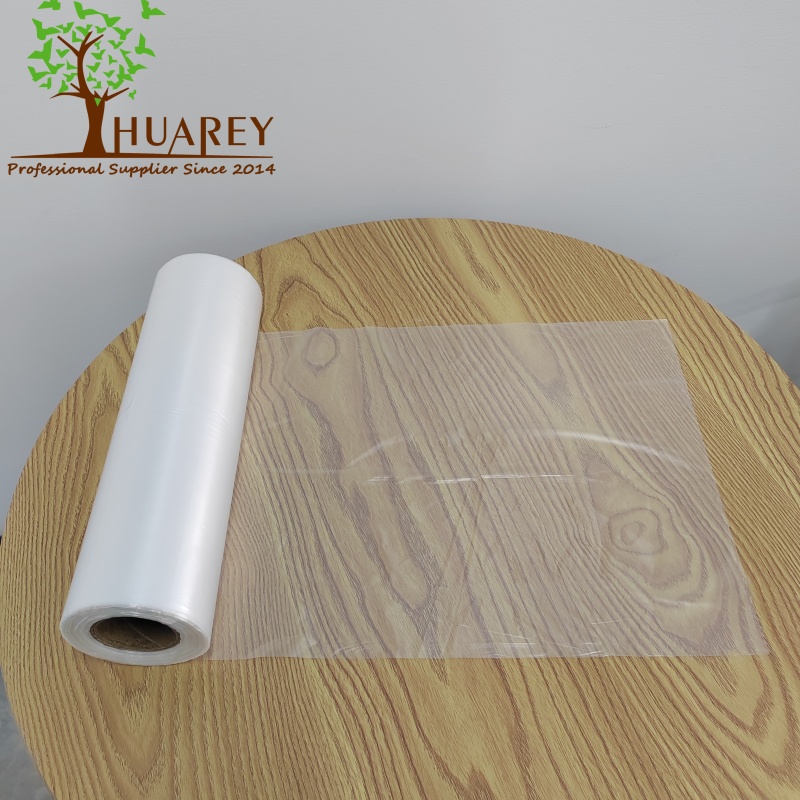
Recycling plastic mesh produce bags is not a perfect solution. While it offers some environmental benefits, it also comes with several drawbacks. Understanding both the advantages and disadvantages is crucial when considering how to handle these bags sustainably.
Recycling plastic mesh produce bags reduces the amount of waste that ends up in landfills or the environment. By recycling these bags, we prevent them from becoming litter, which can cause harm to wildlife and contribute to pollution. Additionally, recycling helps reduce the demand for new plastic products, conserving natural resources.
When recycled correctly, plastic mesh produce bags can be processed into new products, reducing the need for fresh plastic production. This cycle of reusing plastic helps mitigate the overall environmental impact of plastic waste.
Unlike materials such as glass or metal, plastic can only be recycled a limited number of times before it degrades. This degradation means that after a few recycling cycles, the material becomes unusable, which makes plastic less sustainable than other recyclable materials.
Recycling plastic mesh produce bags is an energy-consuming process. From transportation to cleaning and processing, the resources required to recycle plastic are significant. This high energy demand makes plastic recycling a less environmentally friendly option compared to reducing plastic usage or reusing items.
While recycling is an important part of waste management, the most sustainable approach is to reduce and reuse. By using fewer plastic mesh bags and opting for reusable alternatives like cotton or nylon bags, we can significantly decrease plastic waste. Reducing our reliance on single-use plastics is the most effective long-term solution to environmental issues related to plastic pollution.
The journey to reducing plastic waste starts with small, conscious changes in our daily habits. Here are practical steps you can take to make a difference.
One of the easiest and most effective changes you can make is to carry reusable produce bags. These bags, made from materials like cotton or nylon, can be washed and used repeatedly, reducing the need for plastic mesh produce bags.
Look for other ways to reduce single-use plastics. Consider switching to refillable water bottles, using cloth napkins instead of paper ones, and avoiding plastic straws and utensils. Small steps like these can collectively have a significant impact on reducing plastic waste.
Support brands and stores that prioritize sustainable, recyclable, or biodegradable packaging options. By choosing products with environmentally friendly packaging, you are making a positive impact on the reduction of plastic waste.
Alternative | Benefits | Drawbacks | Environmental Impact |
Reusable Mesh Bags | Durable, washable, long-lasting | Initial cost | Reduces plastic waste significantly |
Biodegradable Bags | Breaks down faster than plastic | Must be composted properly | Still requires resources to produce |
Paper Bags | Can be recycled in curbside programs | Resource-intensive production | Better than plastic, but still requires resources |
Going Bag-Free | No packaging waste | Not suitable for all produce items | Eliminates plastic waste completely |
Support Local Initiatives: Advocate for improved local recycling infrastructure and more widespread acceptance of plastics like produce bags in curbside programs.
Plastic mesh produce bags can be recycled under specific conditions, though they require special handling. Most curbside programs do not accept them, but you can drop them off at designated recycling points or store-based recycling programs.
While recycling plays a role, reducing plastic use and embracing eco-friendly alternatives, like reusable bags, is a more effective solution.
Companies like Qingdao Huarey Industry Co., Ltd.offer sustainable products that help reduce plastic waste, providing value through their eco-friendly alternatives to plastic mesh produce bags.
A: Yes, plastic mesh produce bags are recyclable, but they require special handling and need to be dropped off at designated recycling points.
A: To recycle plastic produce bags, ensure they are clean and dry before dropping them off at store-based recycling bins.
A: Plastic produce bags are flexible and can get tangled in recycling machinery, which is why they are not accepted in curbside recycling.
A: Recycling plastic produce bags helps reduce waste and prevents them from polluting the environment, making it a valuable eco-friendly practice.
A: Most home recycling programs don’t accept plastic produce bags, so they need to be taken to a store recycling drop-off instead.