- All
- Product Name
- Product Keyword
- Product Model
- Product Summary
- Product Description
- Multi Field Search
Views: 0 Author: Site Editor Publish Time: 2025-12-24 Origin: Site


Food-grade plastics are essential for safely storing and transporting food. They are designed to meet strict regulatory standards, ensuring food remains free from harmful substances. As demand for packaging safety grows, understanding food-grade plastics becomes vital for both businesses and consumers.
In this article, we will discuss the different types of food-grade plastics, including food grade plastic bags, their safety standards, and how to choose the right one for your storage needs. You’ll also learn best practices for ensuring food safety and sustainability.
Food-grade plastic refers to plastic materials that are manufactured to meet the safety and regulatory standards required for contact with food. These plastics must not contain harmful substances or toxins and are specifically designed to keep food safe during storage, handling, and transportation. Food-grade plastics are subject to strict regulations, particularly from the U.S. Food and Drug Administration (FDA), ensuring that these plastics do not leach harmful chemicals into the food they contain.
The FDA’s role in the approval process is to ensure that materials used for food contact are safe. They regulate plastics based on the chemicals used in manufacturing, ensuring that these chemicals do not pose any health risks when used under typical food storage conditions.
Different types of plastics are used in food packaging, each offering specific characteristics suited to certain types of food. Understanding these types can help in making informed decisions regarding their use. Below are the most commonly used food-grade plastics:
Plastic Type | Properties | Common Uses | Recycling Code | Safety Concerns |
PET (Polyethylene Terephthalate) | Lightweight, impact-resistant, antimicrobial | Beverage bottles, food containers | 1 | Leaching when reused |
HDPE (High-Density Polyethylene) | Durable, chemical-resistant, moisture-resistant | Milk jugs, food containers, food crates | 2 | Considered very safe |
LDPE (Low-Density Polyethylene) | Flexible, moisture-resistant | Sandwich bags, produce bags | 4 | Less rigid, not always recyclable |
PP (Polypropylene) | High heat resistance, microwave-safe | Yogurt cups, food storage containers | 5 | Safe for high temperatures |
PS (Polystyrene) | Rigid or foamed, affordable | Takeout containers, disposable utensils | 6 | Can leach styrene when heated |
PVC (Polyvinyl Chloride) | Long-term stability | Food trays, wrapping | 3 | Leaches harmful chemicals when heated |
Polycarbonate | Heat-resistant, durable | Baby bottles, reusable containers | 7 | BPA concerns |
This table provides a snapshot of the most common food-grade plastics, detailing their properties, uses, and safety concerns. By understanding these characteristics, businesses and consumers can select the appropriate material for their needs.
When selecting food-grade plastics for food storage, several factors need to be taken into account to ensure safety, functionality, and longevity. The type of food being stored, the temperature conditions it will be exposed to, and the plastic’s chemical resistance all play a vital role in determining the right material for the task.
The best food-grade plastics are those that exhibit strong resistance to both chemicals and physical damage. Additionally, the plastic should not interact with the food in a way that could lead to contamination or alter the food's quality.
For example, foods with high acidity, such as tomatoes or citrus, should be stored in containers made from materials that will not react with the acid and leach harmful chemicals into the food. Plastics such as HDPE (High-Density Polyethylene) and PET (Polyethylene Terephthalate) are commonly used in food packaging because of their ability to resist chemical interactions with food, thus ensuring safe storage.
Plastic containers often come with recycling codes imprinted on them, usually inside a triangle of arrows. These numbers help consumers identify the type of plastic used and its suitability for food storage. Plastics with recycling codes 1, 2, 4, and 5 are typically the safest for food contact and are also more likely to be recyclable.
● Recycling Code 1 (PET): Common in beverage bottles and single-use containers.
● Recycling Code 2 (HDPE): Commonly used for milk jugs and food storage containers.
● Recycling Code 4 (LDPE): Found in flexible packaging like bread bags.
● Recycling Code 5 (PP): Often used for microwave-safe containers.
Tip: Check the recycling code on plastic containers to ensure they are food-safe. Codes 1, 2, 4, and 5 are the best options for food storage.
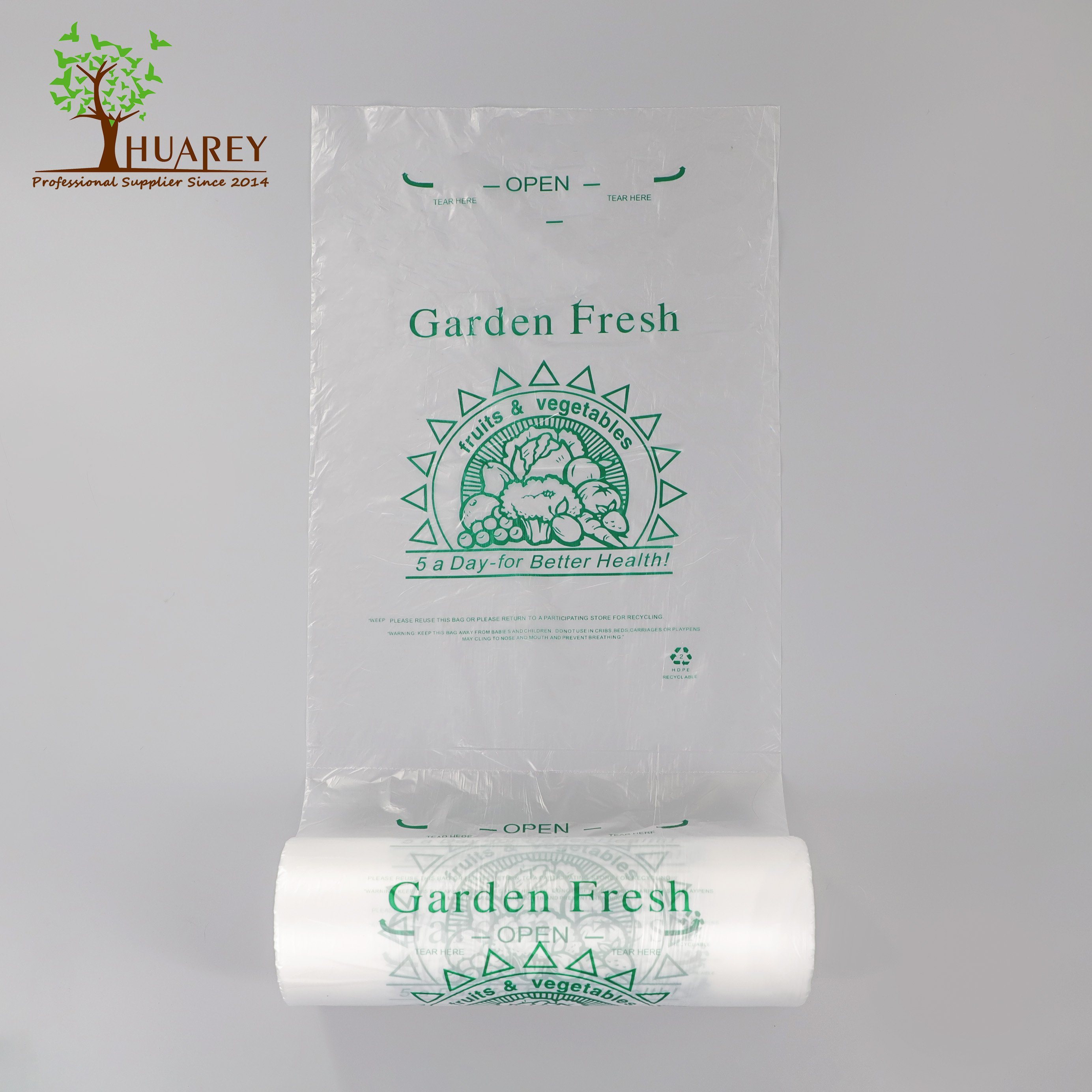
Many people confuse the terms "food-grade" and "food-safe," but they have distinct meanings. Food-grade plastics are made to meet specific safety standards and are approved for contact with food. However, not all food-grade plastics are necessarily food-safe. A food-safe plastic is one that is specifically suited for its intended purpose. For example, a food-grade plastic may not be suitable for high-temperature applications, and using it incorrectly could lead to contamination.
Food-grade plastics are manufactured to meet strict safety standards to ensure that they do not pose any risk when they come into contact with food. However, not all food-grade plastics are necessarily food-safe. Food-safe plastics, on the other hand, are designed to be suitable for specific applications, such as storing hot food or liquids. These plastics are carefully tested and rated for their intended use.
For example, a food-grade plastic designed for cold storage might not be able to withstand the high temperatures associated with hot food storage. Using food-grade plastic meant for cold storage to store hot liquids could cause the plastic to leach harmful chemicals, rendering it unsafe for food contact.
Tip: Always ensure that the food-grade plastic you use is specifically suited for the type of food and temperature conditions you plan to store. This will prevent contamination and maintain food safety.
It is crucial for both consumers and businesses to understand the difference between food-grade and food-safe plastics. Using the wrong type of plastic can lead to contamination, leaching of harmful chemicals, or degradation of the food stored within.
For example, using a food-grade plastic intended for cold food storage to store hot liquids can result in the release of toxins due to exposure to high temperatures. This could compromise the safety of the food and result in potential health risks.
By ensuring that the plastic is not only food-grade but also food-safe for the intended use, both consumers and businesses can protect their food products from contamination and ensure they are following proper food storage protocols.
Plastic Type | Food-Grade | Food-Safe | Common Uses | Safety Considerations |
PET (Polyethylene Terephthalate) | Yes | Yes (single-use) | Beverage bottles, jars | Leaching concerns with reuse |
HDPE (High-Density Polyethylene) | Yes | Yes | Milk jugs, food containers | Very durable, resistant to chemicals |
LDPE (Low-Density Polyethylene) | Yes | Yes | Sandwich bags, food wraps | Flexible but less rigid, harder to recycle |
PP (Polypropylene) | Yes | Yes (heat-resistant) | Microwave-safe containers, yogurt cups | Can withstand heat, commonly used for storage |
PS (Polystyrene) | Yes | No (leaching issues) | Takeout containers, foam trays | Can leach toxins when heated |
As awareness of environmental sustainability increases, it is essential to consider the impact of food-grade plastics on the environment. While many food-grade plastics are recyclable, they can still contribute to plastic pollution if not properly disposed of. Proper recycling practices can help mitigate this issue.
Most food-grade plastics, including HDPE, LDPE, and PP, are recyclable. However, the recycling process for plastics can be challenging, as not all recycling centers accept all types of plastic. For instance, LDPE is often not accepted in curbside recycling programs, so it is important to dispose of it properly through specialized programs.
The widespread use of plastics in food packaging has raised concerns about plastic waste and its effect on the environment. Plastics can take hundreds of years to decompose and may end up polluting oceans and harming wildlife. Businesses and consumers should prioritize reusable and recyclable plastic options to reduce the environmental impact of food-grade plastics.
Proper food storage is essential for maintaining food safety and quality. Food-grade plastics offer a reliable and safe option for packaging and storing food, but it is important to follow best practices to ensure their effectiveness.
Different types of food require different storage conditions. For instance, dairy products should be stored in airtight containers made from HDPE to prevent spoilage. Acidic foods like tomatoes should be stored in plastics that do not react with the food, such as PP or PET. It’s essential to choose the right plastic based on the food type and storage requirements.
Food-grade plastic containers should be cleaned regularly to prevent contamination. Avoid using harsh chemicals that could damage the plastic or cause leaching of harmful substances. Regularly inspect containers for cracks or wear, as damaged plastic may compromise food safety.
Food-grade plastics are essential for safe food storage and packaging. Understanding the different types and how to choose the right one is key to ensuring food safety. The correct packaging preserves food, extends shelf life, and prevents contamination from harmful substances.
When selecting food-grade plastics, consider durability, heat resistance, and recyclability to ensure safety and sustainability. At Qingdao Huarey Industry Co., Ltd., we offer high-quality food-grade plastic bags and containers that meet FDA standards, ensuring safe and environmentally responsible food storage solutions.
A: Food-grade plastic bags are specifically designed for storing food safely without contamination.
A: Food-grade plastic bags are manufactured to meet safety standards, preventing harmful chemicals from leaching into food.
A: Food-grade plastic bags are specifically regulated to ensure food safety, unlike regular plastic bags, which may contain harmful chemicals.
A: Food-grade plastic bags can store various food items, including produce, grains, and baked goods, while keeping them fresh and safe.
A: Yes, most food-grade plastic bags can be recycled, but be sure to check local recycling guidelines for proper disposal.
A: Food-grade plastic is suitable for direct food contact, while food-safe plastic is specifically designed for the intended application, such as high-heat storage.