- All
- Product Name
- Product Keyword
- Product Model
- Product Summary
- Product Description
- Multi Field Search
Views: 0 Author: Site Editor Publish Time: 2025-11-14 Origin: Site


Choosing the right material for garbage bags is crucial for effective waste disposal. With so many options—plastic, biodegradable, and compostable—picking the best one can be tricky. Each material has pros and cons based on your needs, environmental goals, and budget.
In this article, we’ll break down the differences between these materials. You’ll learn about their durability, environmental impact, and cost. By the end, you’ll know which garbage bag material suits your waste disposal needs best.
Made from: Polyethylene (PE), a type of plastic that is strong and resistant to tearing.
Common Uses: Plastic garbage bags are commonly used for household trash, as well as industrial and construction waste due to their durability.
Pros:
Durable and versatile: Ideal for heavy, wet, or sharp waste.
Affordable: One of the most cost-effective options available.
Widely available: Plastic bags are readily accessible in various sizes and types.
Cons:
Environmental concerns: Traditional plastic bags are non-biodegradable and can take hundreds of years to decompose.
Non-biodegradable: They pose a significant environmental challenge in landfills, contributing to long-term pollution.
For construction or industrial waste, choose heavy-duty plastic bags. For everyday household use, thinner plastic bags may be sufficient to save costs.
Made from: Plant-based plastics or treated polyethylene, designed to break down faster than traditional plastics when exposed to air, light, and moisture.
Common Uses: Biodegradable bags are suitable for general waste, including dry or lighter materials like office paper or garden trimmings.
Pros:
Eco-friendlier: Breaks down faster than plastic, making it a better option for reducing long-term environmental impact.
Versatile: Can handle a wide range of general waste.
Cons:
Limited decomposition environments: They require specific conditions (e.g., sunlight, moisture) to break down effectively, which may not always be present in landfill settings.
Weaker durability: Biodegradable bags are typically not as durable as plastic bags and may tear when handling sharp or heavy waste.
Tip: Use biodegradable bags for lighter waste, such as office paper, garden clippings, or dry trash, where eco-friendliness is a priority.
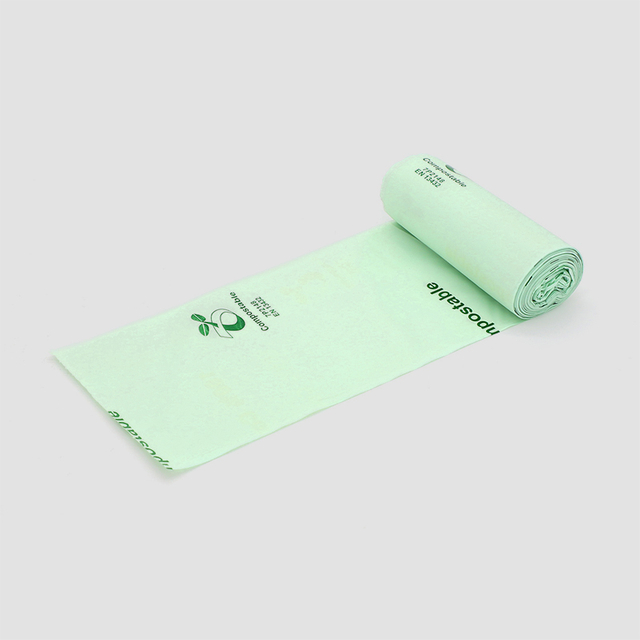
Made from: Cornstarch, sugarcane, or other natural materials designed to break down completely into non-toxic components under composting conditions.
Common Uses: Ideal for organic waste such as food scraps, garden waste, or food packaging.
Pros:
Fully compostable: Breaks down into organic matter, leaving no harmful residues.
Supports waste recycling: Helps promote a circular economy by returning valuable nutrients to the soil.
Cons:
Higher cost: Due to the production process, compostable bags tend to be more expensive than plastic or biodegradable options.
Specific disposal requirements: Compostable bags must be disposed of in composting systems (either home or industrial) to break down properly.
Use compostable bags for food scraps and organic waste, especially if you have access to composting facilities.
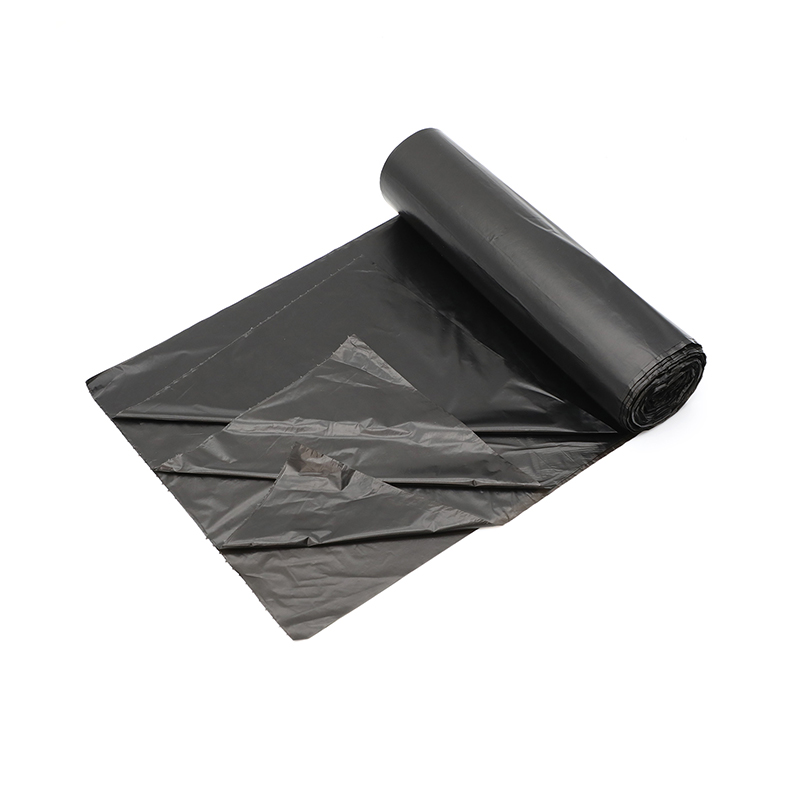
Plastic: Plastic bags, especially those made from Linear Low-Density Polyethylene (LLDPE), are ideal for heavy-duty waste. They are strong, flexible, and resistant to punctures, making them perfect for industrial or construction trash.
Biodegradable and Compostable: These bags are best suited for light to moderate waste, such as office paper or food scraps. They are not as durable as plastic bags and may tear under heavy or sharp loads.
Plastic Bags (HDPE & LDPE): High-Density Polyethylene (HDPE) bags are known for their excellent resistance to tearing, making them ideal for handling tough, heavy-duty waste. Their rigid structure allows them to withstand significant pressure without breaking, which is why they are commonly used for industrial, construction, and retail waste. On the other hand, Linear Low-Density Polyethylene (LLDPE) bags are more flexible and offer superior puncture resistance, which makes them an excellent choice for waste with sharp edges or irregular shapes.
Biodegradable Bags: Compostable bags, while an eco-friendly alternative, are generally weaker compared to plastic bags, making them more susceptible to tearing. This weakness becomes particularly evident when they are used to handle sharp objects, such as broken glass, metal, or jagged waste, which can easily puncture or rip the bag. Additionally, they may struggle with heavier waste loads, as their structure is designed for lighter, organic materials like food scraps and garden clippings.
Plastic: Plastic bags, especially those made from High-Density Polyethylene (HDPE) and Linear Low-Density Polyethylene (LLDPE), are designed to handle heavier waste due to their robust load-bearing capacity. HDPE bags are known for their rigidity and high tensile strength, making them ideal for industrial and construction waste that requires durability. LLDPE bags, while more flexible, offer superior puncture resistance and stretchability, making them suitable for waste with sharp edges or irregular shapes.
Compostable: Compostable bags are designed to break down naturally in composting environments, but they typically have a lower load capacity compared to plastic bags. Made from materials like cornstarch or sugarcane, they are ideal for organic waste, such as food scraps and garden trimmings, which aren’t too heavy or bulky. While these bags are perfect for reducing landfill waste and supporting sustainable practices, they can be less durable when dealing with heavy items or waste with sharp edges.
Plastic bags are notorious for their environmental impact. They are non-biodegradable, which means they can persist in landfills for hundreds of years. In addition to their long decomposition time, plastic bags can often end up in the ocean, where they harm marine life.
Impact: Plastic bags contribute significantly to pollution, making them an environmentally harmful choice for waste management.
Biodegradable bags offer a better alternative to plastic, breaking down faster when exposed to the right conditions. However, they still face challenges, such as the creation of microplastics if they don't decompose fully. While biodegradable bags are more eco-friendly than plastic, they still require specific environmental conditions to break down.
Impact: Though biodegradable, they still contribute to microplastic pollution if not disposed of properly, making them a step up but not perfect.
Compostable bags are the most environmentally friendly option. When disposed of in the right conditions, such as a composting facility, these bags break down completely, leaving behind only organic matter that can nourish the soil. This helps to reduce landfill waste and supports the principles of a circular economy.
Impact: Compostable bags, when properly composted, have a minimal environmental impact, making them the best option for eco-conscious consumers.
Plastic: The most affordable option, ideal for everyday and heavy-duty waste.
Biodegradable: Slightly more expensive than plastic, but still a cost-effective choice for general waste.
Compostable: The premium option, as these bags are made from renewable resources and require a more complex manufacturing process.
While plastic bags may have a lower initial cost, their environmental damage can lead to long-term costs in waste management, cleanup, and environmental remediation. Biodegradable and compostable bags, though initially more expensive, may save costs in terms of their reduced environmental impact over time, especially if disposed of in the correct manner.
| Plastic | Best for handling heavy-duty waste like construction debris, industrial trash, or waste with sharp edges. |
| Biodegradable | Suitable for general household or office waste where a balance of eco-friendliness and cost is desired. |
| Compostable | The best choice for organic waste like food scraps, aligning with zero-waste practices. |
| Plastic | Affordable and widely available for typical household waste. |
| Biodegradable | A good choice for those seeking an eco-friendly alternative without significantly increasing costs. |
Each type of garbage bag material—plastic, biodegradable, and compostable—has its unique advantages and drawbacks. Plastic bags are affordable and durable, but they have significant environmental costs. Biodegradable bags offer a more eco-friendly option, though they require specific conditions to decompose. Compostable bags are ideal for organic waste, but they come at a higher cost.
When choosing the right garbage bag, consider the waste type, environmental impact, and your budget. Making an informed decision can help promote sustainable waste management practices.For eco-conscious consumers, compostable bags are the best choice for organic waste. Plastic remains a top option for heavy-duty or industrial waste. Huarey provides high-quality eco-friendly solutions, offering bags that balance durability and environmental responsibility.
A: The best material for garbage bags depends on your needs. Plastic bags are durable and affordable, while biodegradable bags are more eco-friendly. Compostable bags are ideal for organic waste but are more expensive.
A: Biodegradable garbage bags decompose faster than plastic bags, but they still require specific conditions to break down fully. They are a better choice for reducing long-term waste but may not decompose in landfills.
A: Compostable garbage bags are designed for organic waste, such as food scraps. They should be used in composting systems to break down properly, not in regular trash bins.
A: Plastic garbage bags are the least expensive option, while biodegradable and compostable bags cost more. The choice depends on your waste disposal needs and environmental priorities.
A: Compostable garbage bags are the best option for organic waste. They break down into non-toxic components in composting conditions, supporting sustainability and reducing landfill waste.