- All
- Product Name
- Product Keyword
- Product Model
- Product Summary
- Product Description
- Multi Field Search


Plastic bags pile up faster than we expect, often creating clutter in hidden spaces.Learning how to roll plastic bags into a plastic bag roll solves this everyday problem.In this article, you will learn easy plastic bag rolling techniques for cleaner, reusable storage.
Stuffing plastic bags into a cabinet may seem quick, but it traps air and creates tangled piles that spill out easily. Folding helps slightly, yet folded bags still shift and lose shape over time. A proper plastic bag roll compresses the material evenly, removing trapped air and keeping the bag stable. Rolled bags take up far less space, stack neatly, and stay contained inside jars, bins, or drawers.
Loose bags tangle at the handles, which wastes time when you need only one. A rolled bag stays aligned, so you can grab and pull a single bag without disturbing the rest. This matters during trash prep, pet cleanup, or quick storage tasks, when speed and convenience matter most.
Under sinks and inside drawers, rolled bags stay contained and do not drift into other items. They avoid dust buildup and reduce contact with moisture. A visible, organized plastic bag roll creates a sense of control and keeps storage areas calm and tidy.
When bags are neatly rolled, we notice them more often and reuse them instead of grabbing new ones. This habit supports waste reduction and helps separate reusable bags from damaged ones. Over time, rolling encourages more thoughtful plastic use.
Notes: In shared kitchens or offices, rolled bags reduce cleanup time and visual clutter.
Good preparation determines how successful the final roll will be. Start by laying the bag flat on a clean, solid surface such as a countertop or table. Use your hands to smooth out wrinkles and push air toward the edges. Trapped air causes bulky rolls, so flattening is essential for a tight finish.
Handles affect the final shape more than most people expect. Align both handles evenly before folding to create a uniform strip. Twisted handles form bumps that weaken the roll and make storage messy. Straight alignment improves stability and appearance.
A flat surface offers better control than folding in the air. Counters and tables keep folds straight and consistent. If the bag is damp, let it dry first, since moisture can cause odor and sticking during storage.
Notes: In retail or warehouse environments, assign one clean folding surface to speed up bag prep.
Begin by folding the flattened bag lengthwise until it forms a narrow strip. Thin bags may need two or three folds, while thicker bags require fewer. The strip should feel smooth and even, not lumpy or stiff. Consistent width makes rolling easier and neater.
Start rolling from the bottom edge toward the handles. Apply steady pressure and pause to smooth the surface as you roll. This prevents air pockets and uneven tension. A firm but flexible roll unravels more easily later.
For frequent reuse, roll bags together into a self-dispensing bundle. Roll the first bag halfway, then place another folded bag on top with handles aligned. Continue rolling both together, adding bags one by one. Each bag becomes the next pull-out bag.
Secure the finished plastic bag roll using the handles or by tucking the end under the last layer. A light rubber band works if the roll loosens, but avoid tight bands that tear thin plastic. Proper securing keeps the roll intact during storage.
Store rolls upright in containers, with handles facing upward. This allows quick, one-handed access. Avoid placing rolls near heat sources, as heat can warp plastic and create odors.
Notes: For consistent results, keep strip width similar across all bags.
Triangle folding produces compact, uniform shapes that stack neatly. It works well for long-term storage but takes longer to unfold, making it less suitable for daily use.
Knotting bags is quick and simple, yet knotted bags do not stack well and can be hard to undo. This method suits short-term holding rather than organized storage.
Rolling balances speed, storage density, and accessibility. It works best for kitchens, garages, offices, and any space where bags are reused often.
Method | Speed | Storage Density | Ease of Use | Best Use |
Plastic bag roll | Fast | High | High | Daily reuse |
Triangle folding | Medium | High | Medium | Long-term storage |
Knotting | Fast | Medium | Low | Temporary holding |
Tips: Choose one method per location to keep storage consistent.
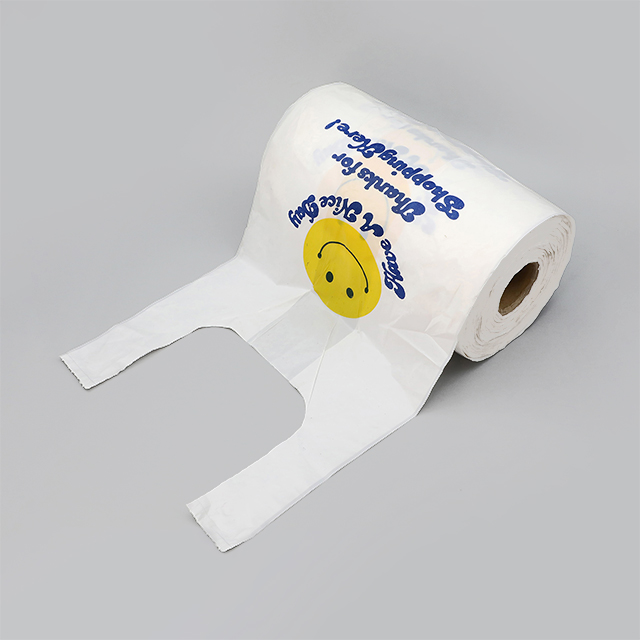
Under sinks, use small bins or caddies to keep rolls off damp surfaces. Store rolls upright so handles stay accessible. Separate clean reuse bags from trash liners to reduce confusion.
Drawers work best with short, tight rolls placed side by side in trays. Clear containers in pantries help track inventory and prevent overfilling.
In cars, store plastic bag rolls in sealed containers or pouches. Thicker bags work better for wet or dirty items. Replace rolls after spills to avoid lingering odors.
Notes: Label containers in shared spaces to reduce misuse.
Loose tension or uneven folds cause rolls to unravel. Re-roll with firmer pressure and smooth the strip before securing.
Over-tight rolling or trapped handles create resistance. Loosen the roll slightly and keep handles near the outer layer.
Wrinkles, receipts, or skipped flattening steps cause lumps. Restart with a clean, flat bag for better results.
Tips: Encourage quick checks before storage to avoid future rework.
Rolling bags immediately after unloading groceries prevents clutter from forming and keeps storage manageable.
Batch rolling sessions help reorganize loose bags. Discard damaged bags and group usable ones by size or thickness.
Bags with holes, residue, or strong odors should leave the system. Keeping only usable bags maintains hygiene and order.
Notes: In workplaces, a short routine improves efficiency and cleanliness.
A plastic bag roll is a simple and practical storage method.It turns loose plastic bags into compact, organized bundles.This method focuses on control, reuse, and long-term order.Instead of stuffing bags randomly, each bag is handled with intention.The result is storage that stays neat and predictable.
A plastic bag roll is made by folding a bag into a narrow strip.That strip is rolled tightly from one end to the other.Air is pushed out during the process.This reduces bulk and keeps the bag stable.The finished roll fits easily into small storage spaces.
Loose bags expand because they trap air.They also shift and tangle when stored together.A plastic bag roll removes trapped air completely.This creates a compact shape that stays in place.More bags fit into the same drawer or container.
Rolling creates consistent shapes.Consistent shapes stack and store better.Storage areas remain tidy for longer periods.You avoid bags spilling out unexpectedly.
Daily tasks require quick access to supplies.A plastic bag roll allows single-bag dispensing.Other bags stay secure and untouched.This saves time during cleaning or trash handling.It also reduces repeated untangling.
Visibility encourages reuse habits.Rolled bags are easy to see and reach.People reuse them instead of grabbing new ones.Damaged bags are easier to remove early.This keeps storage clean and usable.
Clutter increases stress in shared spaces.A plastic bag roll creates consistent order.Drawers and cabinets feel easier to manage.This habit simplifies everyday routines.It also supports more sustainable household behavior.Notes: Regular sorting helps plastic bag rolls stay effective over time.
Plastic bags don't have to be a burden on your daily storage space.Neat plastic bag rolls not only save space and make bags easy to access, but also help cultivate a habit of reuse.Simple plastic bag roll techniques help keep your storage space tidy and organized.Proper preparation and clever placement can prevent clutter from recurring.Qingdao Huarui Industrial Co., Ltd. provides practical plastic bag rolls to improve storage efficiency and give plastic bags long-term reuse value.
A: A plastic bag roll stores bags compactly. Easy plastic bag rolling techniques save space and improve reuse.
A: Flatten, fold lengthwise, then roll tightly. These easy plastic bag rolling techniques create a neat plastic bag roll.
A: Loose folding traps air. Use easy plastic bag rolling techniques to keep the plastic bag roll stable.
A: Yes, a plastic bag roll offers faster access. Easy plastic bag rolling techniques suit daily reuse.